Twelve Tiny Doors: A Calm, Homemade Enrichment Advent for Dogs in 2026

Photo: dog investigating homemade advent calendar treats in cosy UK living room Christmas, via images.ctfassets.net
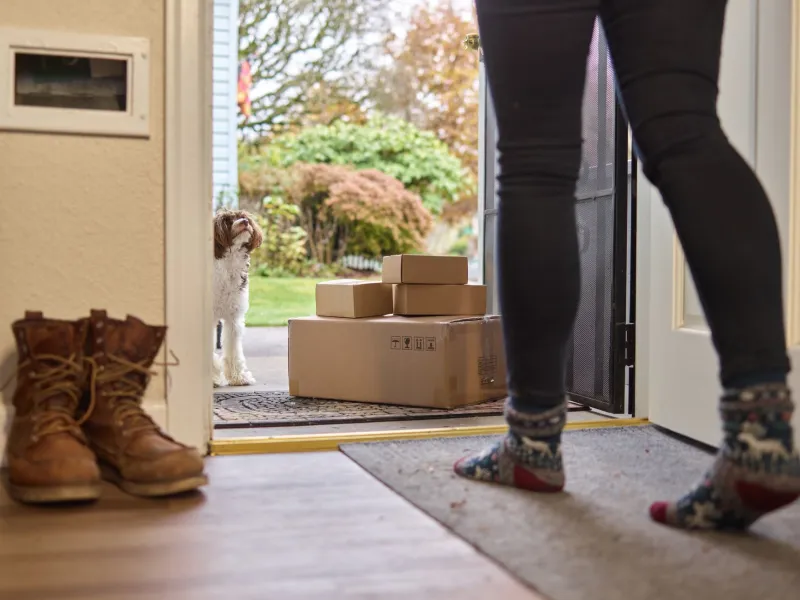
December has a way of arriving all at once. One minute the high street is still half-hearted about tinsel, the next there are delivery boxes stacked by the door and a social calendar that looks like a game of Tetris. For dogs, this can be brilliant — more people at home, more interesting smells, more chances to sit on someone’s foot — or it can be a bit much. A homemade enrichment advent is a nice way to tip the balance towards calm.
The idea is simple: twelve small doors, each hiding a little activity rather than a pile of presents. No need for expensive dog advent calendars, elaborate crafts or a starring role on social media. In fact, the best version is probably the one you can make from what is already in the house, with a few dog-safe extras from the local pet shop.
Why enrichment beats excess
Christmas is not short of stuff. There are toys shaped like turkeys, stockings full of chews and enough treats to open a small shop. None of that is bad in itself, but dogs rarely need more. What they often enjoy is having something to do: a scent to follow, a box to investigate, a lick mat to work through at their own pace.
Enrichment is not about keeping a dog busy for the sake of it. It is about giving them safe choices and a bit of mental satisfaction. A five-minute scent game in the hallway can be just as tiring as a longer walk for some dogs, and it fits neatly around the busier days of December. It also gives owners a reason to slow down. While the dog is sniffing a cardboard tube, nobody is scrolling through delivery updates.
Build the calendar from what you already own
You do not need twenty-four numbered drawers. Twelve envelopes, twelve paper bags or twelve small boxes will do. Reuse parcel packaging, old wrapping paper (plain, without glitter or foil if your dog is likely to nibble) and a marker pen. Write one activity on each label and hang them along a wall, pop them in a basket or line them up on a low shelf where the dog cannot reach without you.
The calendar can run over any twelve days that suit your household — the run-up to Christmas Eve, the stretch between Christmas and New Year, or a fortnight of quieter evenings. The point is rhythm, not perfection. If you miss a day, shuffle the envelopes and carry on. Your dog will not be marking the date.
The twelve days
Day one: the scent search. Hide a few small pieces of your dog’s normal kibble or a favourite dog-safe treat around one room. Start easy, let them watch you place the first one, then send them off with a cheerful “find it”. Keep it short and let them succeed.
Day two: the cardboard ripper. Put a few treats inside a plain cardboard box, close the flaps loosely and let your dog investigate. Some dogs will shred with joy; others will stare at it politely. Supervise, remove any staples or tape, and stop before the box becomes a meal.
Day three: the frozen lick. Spread a little dog-safe yoghurt, mashed pumpkin or wet food onto a lick mat, add water if needed and freeze. Give it on a washable mat or towel. This is a good one for Christmas Eve when the kitchen is busy and the dog needs a calm corner.
Day four: the snuffle tray. Use a shallow tray or baking dish with a towel, a few scrunched-up paper balls and some scattered kibble. Let your dog root around. It is messy in the best way, and a quick shake outside afterwards sorts most of it.
Day five: the festive photo moment. Set up a simple photo with good light and no forced costume. A plain blanket, a favourite toy and a patient owner are enough. If your dog walks off, that is the photo. Blurry and slightly annoyed is a valid Christmas aesthetic.
Day six: the garden sniff. If you have a garden, scatter a handful of treats along a safe path or hide them under plant pots. No garden? Use a hallway or a quiet corner of the park on lead. The aim is sniffing, not sprinting.
Day seven: the quiet cuddle. This one has no equipment. Sit somewhere comfortable, put your phone in another room and spend ten minutes with your dog. No training, no camera, no agenda. Some dogs will lean in; others will lie nearby. Both count.
Day eight: the wrapped surprise. Wrap a plain cardboard box with a few treats inside using paper your dog can safely tear. Avoid ribbon, staples and glitter. Supervise closely and take the paper away once the treats are found.
Day nine: the new walk. Take a route you do not usually choose, even if it is only around a different block. Let your dog stop and sniff. A new street has a whole new newsletter of smells, and that is often more interesting than a longer walk on familiar ground.
Day ten: the puzzle plate. Put a few treats in a muffin tin and cover some holes with tennis balls or crumpled paper. Let your dog work out how to get to the food. Check that the balls are too large to swallow and supervise throughout.
Day eleven: the cosy den. Drape a blanket over a chair or table to make a simple den, leaving plenty of air and an easy exit. Put a familiar bed or blanket inside. Do not coax your dog in; let them discover it. Some will love it, some will ignore it entirely, and both are fine.
Day twelve: the review. Look back at which activities your dog enjoyed most. Repeat that one. The best enrichment calendar is not the one with the most elaborate ideas; it is the one you can adapt to the dog in front of you.
Safety, moderation and the art of stopping
A few sensible rules keep the fun kind. Treats should be part of the daily ration, not an extra stream of snacks, and rich festive foods are best kept well away from dogs. Chocolate, raisins, onions, garlic and anything containing xylitol are not dog-safe, and peanut butter should be checked for xylitol before use. If in doubt, use your dog’s normal food.
Supervise new toys and cardboard games, remove small parts and be honest about your dog’s chewing style. A dog who swallows first and asks questions later needs sturdier options. And if an activity makes your dog worried — backing away, lip-licking, yawning, hiding — stop. Enrichment should feel like an invitation, not a test. A calm dog who opts out is still a good dog.
A quieter kind of Christmas
The twelve days do not have to be a performance. They are simply small reminders to make room for the dog in the middle of the mince pies and the wrapping paper. A cardboard box, a frozen lick and ten unhurried minutes can do more for a dog’s Christmas than another toy under the tree. And when the house finally goes quiet on Boxing Day, you will both be glad of the calm you practised.