Before You Take the Lead: The Quiet Art of Borrowing a Friend’s Dog
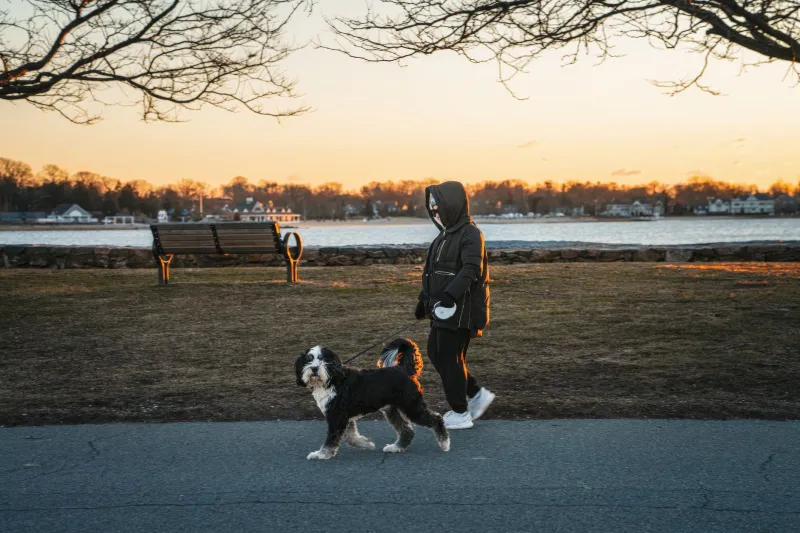
There is a particular kind of generosity in handing someone your dog’s lead. It says: I trust you with something that matters. Whether you’re covering a neighbour’s lunchtime walk, taking a friend’s spaniel out while they recover from flu, or helping a family who’ve had a sudden change of plans, being the person a dog owner can rely on is a lovely thing to be. It also takes a little care. Not grand gestures — just quiet habits that keep everyone, especially the dog, comfortable.
Start with a proper ask
It can be tempting to say yes before the owner has finished the sentence. But a good borrowed walk begins with a few friendly questions. Ask how the dog usually spends their day, what time they’re used to going out, and whether they’re happy being walked by someone new. Some dogs are relaxed with anyone; others take a little time to settle. Neither is wrong. The owner will know which one they have.
It’s also worth asking about age, fitness and any aches or sensitivities. A young collie and an older terrier may both love a walk, but they need very different things from it. If the dog is on any medication or has a sensitive stomach, better to know before you set off rather than halfway round the park.
The handover: equipment, cues and small preferences
Whenever possible, use the dog’s own lead, harness and collar. They’re fitted to that dog, and familiar equipment feels reassuring. Check the harness straps and the lead clip before you leave — a quick tug and a glance at the stitching is enough. Ask whether the dog wears a coat in cold weather, and whether they’re happy having one put on. In November, a thin-coated whippet may well appreciate a layer; a thick-coated retriever probably won’t.
Then ask about cues. This is the bit people often skip. Does the owner say “wait” at the kerb, or “stop”? Is there a word for turning back? Does the dog know “leave it” when a chip wrapper appears on the pavement? You don’t need to retrain anything — you just need to use the same language the dog already understands. Ask, too, about treats. Some dogs have allergies or are on a diet; some will happily work for a bit of kibble, and some won’t take food when they’re out. There’s no harm in carrying a few treats if the owner says yes, but it’s always worth checking.
And take more poo bags than you think you’ll need. That is not a glamorous piece of advice, but it is a reliable one.
Know the route before you go
A borrowed walk is not the time for a grand new adventure. Ask the owner for a familiar route — the one the dog knows, with the usual sniffing spots and the quiet corners where they like to pause. Novelty is lovely, but it can also be unsettling. A calm, predictable walk is often the kindest choice.
Ask about local hazards, too. Is there a busy road to cross carefully? A broken patch of pavement? A dog behind a gate who always barks? Does the owner usually keep the lead on through the park because of squirrels, cyclists or livestock? These details sound small, but they’re the difference between a relaxed walk and a stressful one.
Recall habits matter as much as route. If the dog doesn’t come back reliably — and plenty don’t — keep them on the lead. That isn’t a judgement; it’s just good sense. In the UK, dogs need to be under control around livestock and near roads, and a borrowed dog is not the moment to test a shaky recall. The owner will respect you for asking rather than assuming.
Have a quiet emergency plan
Before you leave the house, save the owner’s phone number. Ask which vet they use and whether the dog is insured. Check that the microchip details are up to date — most owners will know, and if they don’t, it’s a useful nudge. Ask what to do if the dog slips the lead or gets spooked. It’s unlikely, but having a plan keeps your head clear if something does happen.
Take your phone with you, charged. If you’re walking somewhere remote, tell someone where you’re going. These are ordinary precautions, not signs of worry. They’re just part of being a dependable person to lend a dog to.
Read the dog, not just the lead
Once you’re out, let the dog set a little of the pace. Sniffing is not wasted time; it’s how dogs read the world. If they want to pause at a lamp post for a full minute, that’s fine. If they seem tense — tail low, ears back, lots of lip-licking — give them space and head home a little sooner. A shorter, calmer walk is better than a longer, fretful one.
Avoid forcing greetings with other dogs or with strangers who want to say hello. Ask first, and be ready to say a friendly “not today” if the dog seems unsure. Keep an eye on the weather, too. In summer, pavements can get hot; in winter, a towel by the door is a small kindness. A drink of water at the end of the walk is always welcome.
The return matters as much as the walk
When you get back, wipe muddy paws, check for ticks — especially if you’ve been through long grass — and make sure there’s fresh water down. Put the lead and harness back where they belong. If the dog has a habit of charging through the door, ask the owner how they usually manage the front hall so you don’t undo any training.
Then send an honest little update. “He was brilliant — we saw a squirrel and he pulled a bit, but he settled quickly.” Owners don’t need a perfect report; they need to know what actually happened. If the dog was sick, seemed stiff, or met a dog they didn’t like, say so kindly. That’s how trust grows.
The quiet kindness of a borrowed lead
Borrowing a dog is a small community act. It helps an owner who needs a hand, gives a dog a familiar bit of company, and reminds us that good dog ownership is often shared. The rules are gentle: ask before you assume, use the dog’s own equipment, learn the cues, keep the route simple, and come home with an honest report and clean paws. Do that, and you’ll be the person whose offer is genuinely welcomed — not just for the walk, but for the care behind it.