Wet Noses at the Table: Hosting Christmas Dinner When There’s a Dog in the House
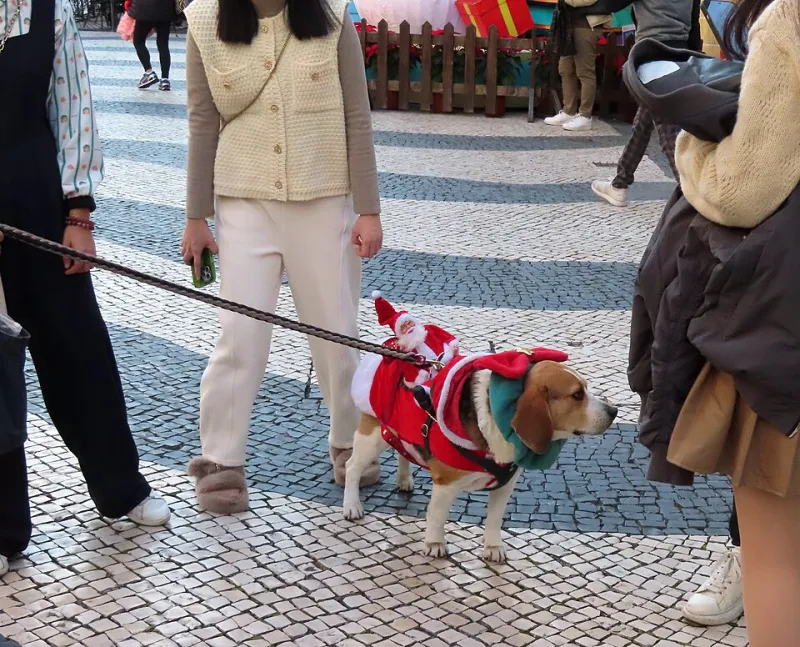
Photo: Pauloleong2002, CC BY 4.0, via Wikimedia Commons
Christmas dinner is a lovely, noisy, gravy-scented business. There’s a turkey to wrestle, crackers to pull and at least one relative who arrives early and wants to discuss the roasting tin. And somewhere in the middle of it all is the dog, usually under the table, following every forkful with hopeful eyes.
Hosting with a dog in the house isn’t about banishing them to the shed or letting them hoover up pigs in blankets. It’s about a bit of forward planning, a few firm but friendly rules, and remembering that a good host looks after every guest — including the one with four paws and a wet nose.
Start With the Guest List (and the Guest With Paws)
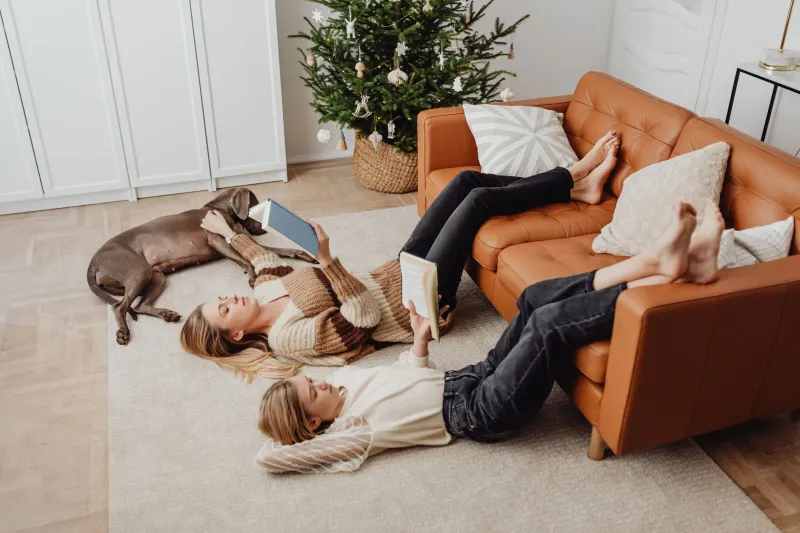
Before you think about seating plans, think about where the dog will actually be happiest. Some dogs thrive in the middle of the action; others would rather be in a quiet room with a chew and the radio on. Neither is wrong. What matters is giving your dog a genuine choice and a safe place to retreat to when the crackers get too much.
If you’re hosting at home, set up a cosy bolthole before anyone arrives: a bed, a familiar blanket, a bowl of water and maybe a frozen treat or long-lasting chew. A baby gate across the kitchen doorway can be a godsend. It keeps the dog out of the roasting chaos without making them feel punished. And if your dog decides the party is too loud, let them go. A happy dog in the hallway is better than a stressed dog doing the rounds for scraps.
The Plate Is Not a Sharing Platter
This is the bit where hosts need to be gently ruthless. Christmas food is full of things that are genuinely dangerous to dogs, and the list is longer than most people realise.
Chocolate is the obvious one, but it’s worth saying out loud. So are raisins, sultanas and currants, which means mince pies, Christmas pudding and fruitcake are all off the menu. Onions, garlic and leeks — often lurking in stuffing and gravy — are toxic to dogs. Cooked turkey bones can splinter, so they should go straight in the bin, not under the table. Alcohol is a no, which includes brandy butter and sherry trifle. And keep an eye on sugar-free sweets and chewing gum, as some contain xylitol, which is extremely dangerous for dogs.
Rich, fatty scraps are a bad idea too, even when they’re not strictly toxic. A dog who helps themselves to a plate of roast potatoes and bacon-wrapped sausages is likely to spend Boxing Day with a sore stomach and a worried owner.
The kindest thing you can do is tell guests, clearly and cheerfully, that the dog is not having scraps this year. Put a jar of dog-safe treats by the door and invite people to give one of those instead. Most guests will be delighted to have a job.
Children, Crackers and the Art of Gentle Hands
Christmas dinner often means children at the table, and children plus dogs plus excitement can be a wobbly combination. It’s not about expecting the worst — it’s about setting everyone up to succeed.
Have a quiet word with younger guests before the meal. Explain that the dog is not a toy, that food stays on plates, and that if the dog walks away, we let them go. Show them how to offer a flat palm and a calm hello. Supervise closely, especially around the table and under it. A dog who is cornered under a chair by an enthusiastic toddler is a dog who may feel they have no choice but to snap.
Crackers are another thing to think about. The bang can startle even the most relaxed dog, so give them the option to be elsewhere when the pulling begins. And keep ribbons, wrapping paper and small toy parts out of reach — they’re tempting to chew and can cause serious problems.
The Calm Table
A calm Christmas dinner doesn’t happen by accident. It starts with a good walk earlier in the day, ideally before the house fills up. A tired dog is usually a more settled dog.
Serve your dog their own dinner at roughly the same time as yours, in their usual spot or in their quiet room. A stuffed toy or a long-lasting chew can help them settle while you eat. If your dog begs, ignore it kindly and consistently. One rogue sprout from a soft-hearted uncle can undo a whole year of good manners.
Try to keep the table itself boring for the dog. No scraps, no plates on the floor, no children slipping treats under the table. If your dog is used to a house line or a place mat, use it. If not, a baby gate and a chew are perfectly good hosting tools.
Festive Treats That Are Actually Fine
You don’t have to be a Scrooge. Plain cooked turkey, with no skin, seasoning or bones, is fine in small amounts. A little plain carrot, a slice of apple without the core, or a spoonful of plain mashed potato can make a lovely festive extra. Just keep it small and keep it simple.
If you’re buying dog advent calendars or festive biscuits, check the ingredients and go for reputable brands. And remember that a treat is still a treat — too much rich food, even dog-safe food, can upset a sensitive stomach.
When to Call the Vet
If you suspect your dog has eaten something toxic, don’t wait for symptoms. Call your vet straight away. Keep the packaging if you can, and be honest about how much was eaten. It’s always better to be the owner who rang early than the owner who hoped it would be fine.
The Good Host’s Secret
In the end, hosting a dog-friendly Christmas dinner isn’t about fancy place settings or a perfectly behaved dog sitting in a party hat. It’s about thoughtfulness. It’s the quiet room with the familiar blanket, the guest who knows not to feed the dog, the child who asks before stroking, and the owner who notices when their dog has had enough.
That’s the sort of hosting worth celebrating. The turkey can be a bit dry. The crackers can be a bit loud. But if the dog is safe, settled and snoozing under the table by pudding, you’ve done a very good job indeed.