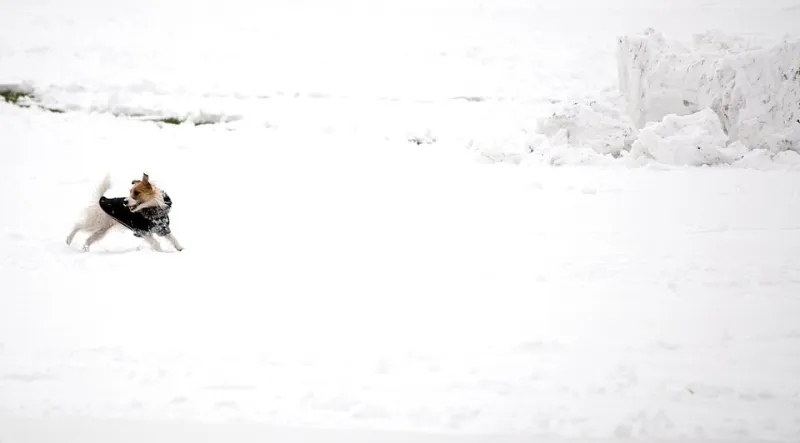
The Two-Minute Paw Check: Small Winter Habits for Happier Dog Walks
Photo: Achat1999, CC BY-SA 4.0, via Wikimedia Commons
There is a particular sound that arrives with the first proper frost: the gritter rumbling past at an ungodly hour, and then the crunch of your own boots on the pavement. Your dog hears it too, and probably does not care in the slightest. They are far more interested in the interesting smell by the gatepost. But winter does ask a little more of their paws — and a little more of us as owners.
The good news is that paw care in cold weather is not complicated. It is not about buying the most technical kit or turning your spaniel into a winter fashion project. It is about a handful of small, repeatable habits that make walks more comfortable and help you spot problems early. Think of it as the two-minute paw check: one before you leave, one when you get back.
Why winter is harder on paws than it looks
A dog's paw pads are tough, but they are not armour. They are skin, with all the same vulnerabilities as ours, plus a few extra crevices where grit likes to hide. Frozen ground can feel abrasive, especially on very cold mornings when the surface has set hard. Then there is the thaw-and-refreeze cycle, which leaves pavements scattered with salt and grit, and pavements that are icy in patches.
Dogs with feathery feet — think spaniels, setters and some terriers — are especially good at collecting little balls of ice between their toes. It is not just uncomfortable; it can make them walk oddly, which is never what you want on a slippery morning. Short-coated breeds are not immune either. Cold is cold, and paws are paws.
The grit question, answered sensibly
Local councils use rock salt and grit to keep roads and pavements safer, and we should be grateful for it. But that same salt can sting if a dog has a small crack or sore patch on a pad. It also tastes interesting, which is why some dogs lick their paws after a walk. A little road salt is unlikely to do serious harm, but it can cause irritation and an upset stomach if enough is swallowed.
The practical answer is simple: rinse or wipe the paws when you get home, and make sure fresh water is available. Do not let your dog lick salty paws for ages. If you walk on heavily treated pavements, a shallow bowl of lukewarm water by the door is your friend. It takes thirty seconds and saves a lot of paw-licking later.
One serious winter hazard deserves a separate mention: antifreeze. It is extremely toxic to dogs, and spills are more likely in cold weather. Keep your dog away from puddles near parked cars and garages, and store antifreeze safely at home. If you suspect your dog has licked any, contact your vet immediately — do not wait for symptoms.
Ice balls and feathery toes
Those little ice balls between the toes are a classic winter complaint. They form when snow or slush packs into the fur and then freezes. If your dog starts hopping, holding up a paw or stopping mid-walk, check between the toes.
A gentle warm-water dip at home will usually melt them. Do not pick at ice with your fingernails or anything sharp — it is easy to nick the skin. For dogs who get ice balls regularly, a groomer can carefully trim the hair between the pads to reduce the amount that collects. It is a small job, but it makes a real difference. Ask them to show you what they mean before you try it yourself.
Balm or boots? A fair-minded look
Paw balm is popular, and a thin layer before a walk can act as a mild barrier against grit and cold. It is not a magic shield, and it will not fix cracked pads on its own. Choose a pet-safe balm, apply sparingly, and wipe off any excess if your dog is a dedicated licker. Avoid human hand creams, scented lotions and anything with ingredients you would not want in your dog's mouth.
Boots are the other option. They are genuinely useful for long walks on salted pavements, for dogs with sore or injured pads, and for very cold spells. But fit matters enormously. A boot that twists or rubs will cause more harm than good, and many dogs need a slow introduction indoors before they will tolerate them outside. If your dog hates boots, that is fine. A balm and a good post-walk rinse may be all you need. Neither choice makes you a better or worse owner.
The before-walk check
Before you head out, run your hands down each leg and have a quick look at the pads. You are checking for cracks, cuts, swelling, foreign objects and general soreness. Look between the toes too. If the ground is very cold or heavily gritted, apply balm if you use it. If your dog wears a coat, put it on — but that is a separate decision from paw care.
Choose your route with a bit of thought. Quiet residential pavements are often less heavily salted than main roads, and grass verges can be softer underfoot. Avoid frozen ponds and any surface you would not walk on yourself in ordinary shoes. And if your dog starts lifting a paw or refusing to walk, stop and check. They are not being dramatic.
The after-walk reset
This is the habit that pays off most. Keep a towel and a shallow bowl by the door. Rinse or wipe the paws with lukewarm water — not hot — and dry thoroughly, especially between the toes. Damp fur left in a warm house is a recipe for sore skin. Check for grit, tiny cuts, ice balls and any redness. Then give your dog a treat for standing still. You are teaching them that paw handling is normal and pleasant, which makes future checks easier for everyone.
If your dog is a enthusiastic licker, a quick rinse removes the salt that prompts the behaviour. If they continue licking one paw persistently, have a closer look. Persistent licking is often the first sign of a problem.
When to call the vet
Most winter paw issues are minor and respond to a bit of TLC. But ring your vet if you see bleeding, deep cracks, swelling, a limp that does not settle, or a chemical burn. Also seek advice if your dog has swallowed a lot of salt or if you suspect antifreeze contact. Do not apply human antiseptics or ointments without checking first.
A small kit that earns its space
You do not need much: a towel, a shallow bowl, a pet-safe balm if you use one, a comb for feathery feet, and a small torch for dark afternoons. Keep it by the door so it is easy to use. The best paw-care plan is the one you will actually follow on a wet Tuesday when you are already running late.
Winter walks are one of the quiet pleasures of dog ownership — cold air, warm breath, and a dog who is delighted by exactly the same route as yesterday. A two-minute check before and after is a small kindness. It keeps those paws comfortable and keeps you noticing the little things. That is responsible ownership made easy, and it has nothing to do with fashion.