The Calm Front Hall: Helping Your Dog Be the Guest Everyone Remembers for the Right Reasons
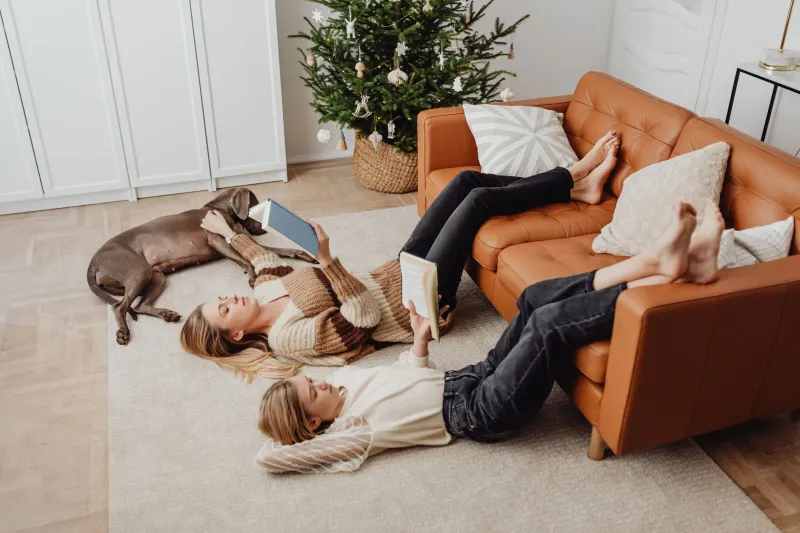
Christmas invitations have a way of arriving all at once. Suddenly the calendar is full of front rooms, buffet tables and cousins you have not seen since last Boxing Day. If you are bringing your dog along, the question is not simply what to wear or what to take for the hosts. It is how to help your dog feel steady in a house full of paper hats, strange smells and people who all want to say hello at once.
Good manners are not a party trick. They are part of responsible ownership, and they matter most when the environment is exciting or unfamiliar. A dog who can settle on a mat, greet without launching themselves at Aunt Susan and ignore the Quality Street bowl is not a robot. They are a dog who has been set up to succeed. That is the aim here: not perfection, but a calm front hall and a dog who is comfortable enough to be a joy to visit.
Start with the mat, not the doorstep
Before you worry about other people's houses, build a small piece of home at home. Choose a mat or blanket your dog already likes and place it somewhere in the living room where they can see the comings and goings without being in the middle of them. Reward them for lying there. Not with a big emotional performance, just a quiet treat or a scatter of kibble when they choose it.
Practice for a few minutes at a time. Put on a coat, rattle your keys, open and close the front door, then sit back down. If your dog stays on the mat, pay them. If they get up, that is information, not failure. Short, easy repetitions are far more useful than a long session that ends with everyone fed up. The mat becomes a place to land when the doorbell goes, rather than a launchpad towards the postman.
The doorstep hello: less theatre, more space
At a relative's house, the arrival is often the trickiest part. There are bags, coats, hugs and a dog who may feel either wildly excited or quietly worried. Ask your hosts in advance for a calm entry. Keep your dog on the lead in the hallway, let them sniff the air and give them a moment before the whole family descends.
If your dog is bouncy, ask guests to ignore them until four paws are on the floor. If your dog is shy, let them choose whether to approach. A dog who backs away is not being rude. They are asking for room. You can scatter a few treats near your feet to encourage a relaxed sniff, but do not force a greeting. The best doorstep hello is often a brief one, followed by everyone getting on with the day.
Pack a small dog go-bag
A little preparation in the boot of the car can save a lot of fuss later. Pack a familiar blanket or mat, a favourite chew, a couple of food puzzles, your dog's usual treats, a water bowl and a bottle of water. Add a spare lead, poop bags and a towel for wet paws. If your dog is on any medication, bring enough for the visit and a little extra. Keep your vet's details on your phone.
For overnight stays, add their normal food and a toy they know well. Novelty is lovely for humans, but most dogs would rather have the same old squeaky thing than a brand-new Christmas toy that makes an unexpected noise. A crate or bed they use at home can also help them switch off in a strange room.
Food is the main event, and the main risk
Christmas food is rich, plentiful and often within nose reach. Chocolate, raisins, onions, alcohol, cooked bones and heavily spiced leftovers are all best kept well away from your dog. Ask your hosts to keep plates up and bins closed, and be clear that your dog does not need a festive plate of their own. Kind relatives often mean well, so a friendly note before the visit can help: please do not feed the dog, however appealing those puppy eyes are.
Bring your dog's own treats and a chew that takes a little time. If the family is eating, give your dog something to do on their mat or in a quiet room. This is not exclusion. It is good hosting, for dogs as well as people.
Noise, crowds and the quiet room
Festive homes are noisy. Crackers bang, music goes up, children run through, and someone always wants a photograph of the dog wearing a paper hat. Before you arrive, ask which room can be your dog's quiet space. A spare bedroom, a utility room or a corner of the hallway away from the front door is fine. Put down their mat, give them water and let them rest.
Watch for the small signs that your dog has had enough: lip licking, yawning, turning their head away, trying to leave the room. These are polite requests for space. Listen to them early, before a growl or a snap has to do the job. A dog who is allowed to leave the party is usually much happier to come back to it later.
A gentle three-week plan
With Christmas 2026 coming up, you have time for a low-pressure plan. This week, reward your dog for settling on their mat while you move around the house. Next week, add the doorbell sound at low volume and reward calm. The week after, practise a calm entry in a friend's hallway or outside a shop, keeping it brief and cheerful.
Keep sessions short and stop while things are going well. If your dog is a puppy, a rescue dog or simply easily overwhelmed, lower your expectations and shorten your visits. Good manners grow from repeated easy wins, not from one big test on Christmas Day.
Have an exit plan
Part of being a thoughtful guest is knowing when to leave. If your dog is tired, overexcited or worried, do not wait for a problem. Take them home, put them to bed and let the humans carry on without the dog. If you are staying further away, plan a quiet room and a decompression walk. Never leave a dog in a cold car for long, and never leave them unattended in a strange house without checking they are safe and settled.
A well-mannered dog is not a silent dog. They are a dog with choices, an owner who watches the room and a bit of planning behind the scenes. This Christmas, aim for calm rather than impressive. A mat by the door, a bag in the car and a quiet room upstairs will do more for everyone's enjoyment than a perfect sit at the doorstep. And if the day goes a little sideways, end it kindly. That is what good owners do.