The Kitchen-Table Clip Club: A Gentle Home Grooming Plan for Nervous Dogs
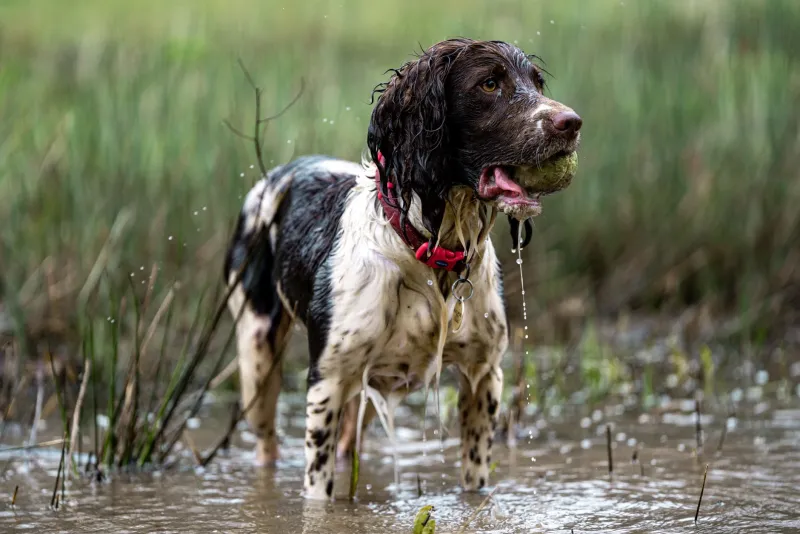
Winter has a way of making a dog’s coat feel like a full-time job. One muddy puddle, one hedgerow shortcut, and suddenly there’s a small ecosystem happening around the back legs. For plenty of dogs, though, the answer isn’t a monthly spa marathon. It’s a quiet little ritual at the kitchen table, done often enough that nobody has to make a drama of it.
Why little and often beats the big blowout
A long grooming session asks a lot of a dog: standing still, being handled, listening to clippers or dryers, and tolerating a stranger’s hands all at once. For a nervous dog, that’s not pampering — it’s a stack of small stresses piled into one afternoon. Short sessions spread the same work across the week, so the dog never gets past their coping point.
There’s a practical bonus, too. A few minutes with a brush every day stops loose hair and small knots from turning into tight mats. Mats pull on the skin, trap damp, and make every future groom harder. Fifteen calm minutes now can save an hour of miserable tugging later.
Think of it as a conversation rather than a treatment. You touch, the dog accepts, you reward, and you stop while things are still pleasant.
Set the scene before the brush comes out
Pick a spot with good light and a non-slip surface. A rubber mat or a towel on the kitchen table works well for small dogs; larger dogs are often happier on the floor. Put treats within reach, close the door, and turn off the radio. If your dog is worried about the tools, leave them on the floor for a few days so they become boring furniture rather than mysterious instruments.
Choose a time when your dog is calm but not half asleep. After a walk can work, once the muddy paws have been dealt with, but not when they’re still wired from the doorbell or a squirrel. A lick mat or a scatter of kibble can give them something else to think about.
The 15-minute routine
This isn’t a rigid timetable. It’s a shape for the session, and you can stretch or shrink each part depending on the dog in front of you.
1. Two minutes to settle
Start with easy touch: a gentle ear rub, a hand across the shoulder, a treat. Let the dog sniff the brush. If they walk away, let them. The first goal is not cleanliness; it’s willingness to stay.
2. Four minutes of brushing
Work in small sections, following the direction the coat grows. Use a soft slicker or pin brush for the main body, and keep your wrist relaxed. Don’t dig at knots. If the brush catches, hold the hair near the skin so you’re not pulling the whole dog, and work the knot loose in tiny stages.
3. Three minutes with a comb
A metal comb is the honest inspector. Once you’ve brushed a section, run the comb through it. If it glides, you’re done there. If it snags, go back to the brush. Pay attention to the places that hide trouble: behind the ears, under the front legs, along the britches, and around the tail.
4. Three minutes of checks
Use your hands as well as your eyes. Lift each ear flap, glance at the eyes, run a palm over the body for lumps or sore spots, and check between the paw pads. This is also a good moment to look at nails and decide whether they need a professional tidy. Keep it brief and reward often.
5. Three minutes to finish
Wipe muddy paws if needed, offer a final treat, and let the dog go. Don’t spring a nail clip on them at the end of a good session unless they’re already confident with it. Finish on a win, even if you only managed one side of the body.
For coats that love a mat
Feathered ears, fluffy trousers, and doodle coats can felt almost overnight in wet weather. Line brushing — working in thin layers rather than skimming the surface — is the kindest way through. Never cut a mat out with scissors unless you can see clearly where the skin is; it’s far too easy to catch a fold. If a mat is tight against the skin, ask a groomer or vet nurse for help rather than staging a rescue mission at home.
If your dog wriggles, shrinks or hides
Wriggling isn’t naughtiness. It’s information. Lip licking, yawning, turning away, freezing, or a tucked tail all mean the dog is finding it hard. Stop before they have to escalate. Try one brush stroke, then a treat, then another stroke. For rescue dogs, older pets, or dogs who have had a bad grooming experience, slow is not a luxury — it’s the whole method.
If handling is genuinely distressing, speak to your vet or a groomer who works with nervous dogs. Sometimes a short course of anti-anxiety support, a vet check for pain, or a different grooming setup is the missing piece. There’s no prize for pushing through.
The kit that earns its place
You don’t need a suitcase of equipment. A slicker brush, a metal comb, a soft towel, a few high-value treats, and a non-slip mat will cover most everyday needs. Add a paw towel by the door for winter walks and a pot of treats that only appears during grooming. The less fuss, the better.
The real win is consistency. Ten to fifteen minutes, a few times a week, with plenty of stopping. Your dog doesn’t need to love the comb. They just need to learn that nothing awful happens when it appears — and that the kitchen table is a place where good things, and gentle hands, tend to turn up.