Lamps On, Brain On: Seven Quiet Indoor Games for Dark Winter Evenings
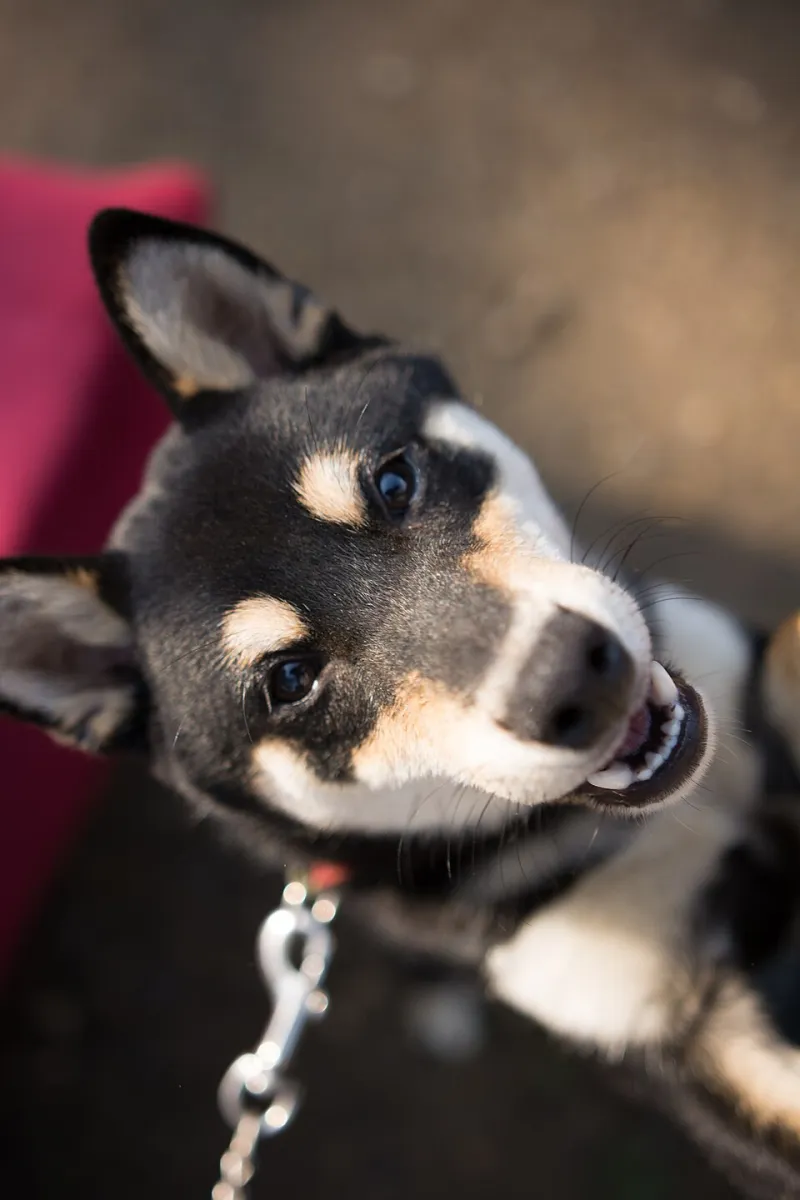
Photo: Takashi Hososhima from Tokyo, Japan, CC BY-SA 2.0, via Wikimedia Commons
There is a particular moment in a British winter when the curtains are drawn, the lamps are on, and your dog appears to have swallowed a small clockwork mouse. The walk was meant to do the trick. The tea is going cold. And the sitting room, lovely as it is, is not built for a border collie in fifth gear.
Indoor games are not a substitute for a proper walk, of course. But they are a brilliant way to meet a dog’s need for thinking, sniffing and doing something with you when the daylight has packed up early. The trick is to aim for brain work rather than wild excitement. A tired dog is often a dog who has used their nose and their manners, not just their legs.
As we head deeper into winter 2026, here are seven games that can tire out a dog without turning the living room into a velodrome.
First, read the room — and the dog
Before you reach for the treat tin, take ten seconds to look at your dog. Are they loose and curious, or already zooming? A dog who is bouncing off the furniture may need a chew or a quiet settle, not a game that winds them up further. A dog who is staring at you hopefully from the rug is probably ready for something gentle.
Keep sessions short: five to ten minutes is plenty for most dogs, and several mini-sessions are better than one long one. End while your dog is still succeeding, not when they are over-tired and snappy. And if your dog loses interest, that is information, not failure. Beautiful dogs are not just gorgeous faces; they are individuals with opinions about how they like to spend a Tuesday evening.
1. Scent-and-seek for the steadily nosy
This is the classic for a reason. Ask your dog to wait in another room or behind a baby gate while you hide a few small treats or a favourite toy around the sitting room. Start easy — in plain sight — and build up to behind the sofa leg or under a cushion. Then release your dog with a cheerful “find it!”
Sniffing is calming, satisfying work. It also uses up far more mental energy than a frantic game of chase. If you have a dog who inhales treats rather than searches for them, use larger, lower-value pieces or a toy they can nose around. Keep it low-mess by avoiding crumbs on carpet and counting the treats out so you know when they have all been found.
2. The muffin-tin shuffle
A muffin tin and a handful of tennis balls can make a surprisingly good puzzle. Place a small treat in some of the cups, cover them with balls, and let your dog work out how to move the balls aside. This is a lovely one for dogs who like to paw and nudge, and it keeps the treats contained.
Supervise closely, especially with enthusiastic chewers. This is a thinking game, not a tug-of-war with the tin. If your dog starts trying to eat the tennis balls, switch to a safer puzzle or a snuffle mat.
3. Which hand?
Simple, portable and brilliant for a rainy evening. Hide a treat in one closed hand, show both hands, and let your dog choose. When they nose or paw the right hand, open it and reward. It teaches focus and impulse control, and it takes about as much space as a teacup.
This is also a good game for children to play with a dog under adult supervision, provided the dog is calm and the treats are small. It feels like a magic trick to a dog, which is rather lovely.
4. Hallway sit-stay-release
If your hallway is safe and not too slippery, use it for a gentle impulse-control challenge. Ask for a sit, take one step back, and release your dog to come to you for a treat. Build up slowly. The aim is not military precision; it is a dog learning that waiting for a cue can be worthwhile.
Keep the floor safe. If your dog skids on laminate, use a mat or move to a carpeted room. And keep the energy low — this is a thinking game, not a sprint. A calm release is better than a dramatic zoom.
5. The towel burrito
Lay a small towel flat, scatter a few treats across it, roll it up, and let your dog unroll it with their nose and paws. It is low-mess, absorbing and easy to adjust for different abilities. For a beginner, leave the towel loosely rolled; for an old hand, fold the ends in.
Use a towel you do not mind getting a bit damp, and supervise so no one eats the fabric. This is a favourite for dogs who like to work things out with their mouths, and it gives them a job without encouraging mad racing about.
6. Toy hide-and-squeak
Hide a favourite toy somewhere obvious and ask your dog to find it. This works especially well if the toy has a squeak or a familiar smell. Start with the toy in plain view, then make it gradually trickier. When they find it, have a little celebration and a gentle game of tug or fetch if they enjoy that.
This is less about physical exhaustion and more about the joy of a shared job. It also gives you a chance to practise a calm “wait” before the search begins.
7. The slow scatter and sniff
For dogs who get over-excited by games, a simple scatter feed can be the kindest option. Sprinkle some of their dinner or a handful of treats across a snuffle mat, a towel, or a small patch of clean carpet. Let them hoover it up at their own pace.
It is not glamorous, but it is effective. Sniffing lowers the temperature of the evening. If you have a dog who guards food, skip the scatter and choose a different game, or speak to a qualified trainer for advice.
Know when to stop — and when to choose calm instead
Indoor games are a tool, not a test. If your dog starts losing the plot — racing, mouthing, barking at the sofa — the game has probably tipped from helpful to hyped. Stop, scatter a few treats on a snuffle mat, or give them a chew and let them settle.
The darkest evenings can feel long, but they do not have to be chaotic. A few minutes of scent work, a towel puzzle and a bit of shared focus can leave your dog content and your sitting room intact. And that, frankly, is a very good winter’s evening for everyone.