When the Brass Band Starts: A Sensible Dog Lover’s Guide to Christmas Markets
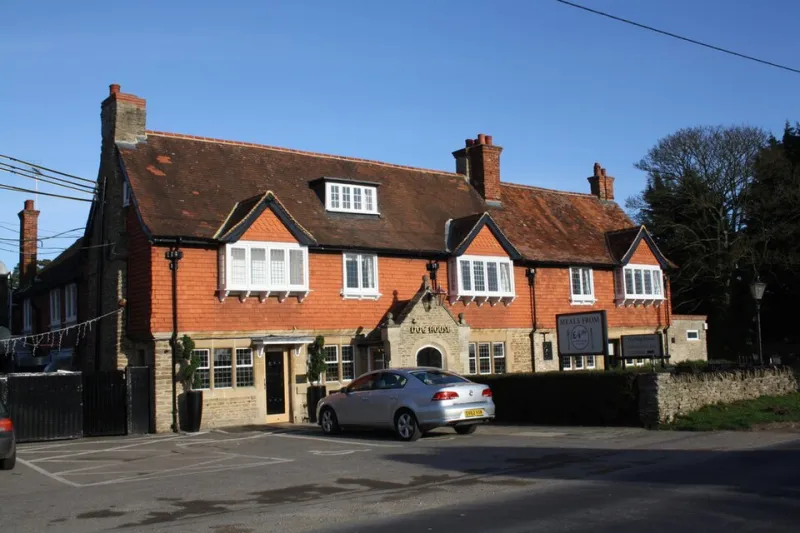
Photo: Roger Templeman , CC BY-SA 2.0, via Wikimedia Commons
There is a particular look a dog gives you at a Christmas market. It says: I have seen three inflatable snowmen, a man dressed as a nutcracker, and a child with a candy cane, and I am not entirely sure which one is the threat. Festive markets can be a lovely outing for the right dog on the right day. They can also be a swirling cocktail of hot chocolate, shouted greetings, brass bands, and ankle-height traffic. The difference is usually planning — and a willingness to go home early.
A market is not a walk
This is the first thing to get straight. A potter around the stalls might feel like a gentle stroll to us, but to a dog it’s a sensory event. There are new smells, narrow gaps, food dropped on the ground, loudspeakers, buggies, and strangers who think nothing of reaching out to touch a passing head. Even a dog who is fine on the high street can find a festive market overwhelming, because the density of people and noise is on another level.
So don’t count the visit as exercise. Walk the dog properly first, let them sniff and toilet, and arrive with a dog who has already spent some energy. A tired dog is not automatically a calm dog, but a dog who has had a proper walk is usually better placed to cope.
Read the crowd before your dog has to
If you can, scope out the market without the dog first. Notice the narrow aisles, the loudspeaker positions, the food queues, and the places where people stop suddenly to take photos. Look for quieter edges and a clear exit route. If the market is a single tight lane with no escape, it may be a no for this year.
Choose an off-peak time if you can — early morning or a weekday rather than a Saturday evening. Christmas lights are pretty at dusk, but dusk also brings crowds, mulled wine, and a certain festive volume. For a first visit, daylight and space are your friends.
Make it a short loop, not an afternoon
A good market visit with a dog is often twenty minutes, not three hours. Pick one section, walk a slow loop, pause somewhere quiet, and leave while everyone is still enjoying themselves. If your dog is still relaxed, you can always go back another day. If they’re already signalling that they’ve had enough, you’ve saved yourself the difficult walk back through the crowd.
Watch for the small signs: a tucked tail, lip licking, yawning, a low head, refusing treats, or trying to turn away. Those are the dog equivalent of a polite request to leave. Honour it.
Warm up the skills at home
You don’t need a full training programme, but a few useful behaviours make a big difference. Practise a loose lead in a busy car park or outside a shop. Teach a hand touch for guidance, a sit at the edge of a path, and a find-it game with treats scattered on the ground. A dog who can focus on you for three seconds in a distracting place is a dog who can cope with a lot.
Use a well-fitted harness and a fixed lead. Retractable leads and crowded markets are a bad combination. Make sure the ID tag is up to date, and if your dog is nervous or reactive, consider a yellow bandana or lead slip that asks people to give space. It won’t stop everyone, but it helps the considerate ones.
Find the quiet edges
You don’t have to be in the middle of the market to enjoy it. A bench on the edge of the square, a churchyard, a park just off the main drag, or a cafe with outdoor seating can all work better than a tight row of stalls. Take turns: one person holds the dog while the other browses, then swap. Keep the dog away from speakers, hot lamps, and food queues where people are likely to drop things.
If there’s a brass band, don’t stand right next to it. A brave terrier might fancy themselves as a conductor, but most dogs would rather listen from a distance. And don’t let well-meaning strangers loom over the dog. A simple ‘we’re just training, thanks’ is usually enough.
What to avoid
The festive food is for humans, not dogs. Mulled wine, chocolate, raisins, mince pies, onions, and bones are all best kept well away. Dropped food is the big risk, so keep an eye on the ground and don’t be shy about moving on. Avoid narrow stalls with queues, crowds that surge when a performance starts, and anything involving costumes, fake snow, or loud sudden noises.
Winter surfaces matter too. Grit, salt, and broken glass can irritate paws, and hot food stalls can be a hazard for a curious nose. Take water, a towel, and a few treats. A collapsible bowl is handy if you’re planning to pause.
The honest option: leave the dog at home
Not every dog wants a festive outing, and that’s fine. If your dog is older, anxious, noise-sensitive, reactive, or simply happier on a familiar sofa, leaving them at home is not a failure. A good walk before you go, a cosy bed, and a trusted dog sitter or neighbour can make the afternoon better for everyone. The market will be there next year. Your dog’s confidence is harder to replace.
Bring an exit plan
If you do go, have a route out and a time limit. Go with someone who can hold the lead while you buy a drink, or who can walk away with the dog if the crowd gets tight. Keep the visit small, keep the treats coming, and be prepared to abandon the plan at the first sign of real worry.
A Christmas market can be a lovely chapter in a dog’s year — lights, smells, a bit of gentle people-watching, and a warm drink for the human. Just remember that the dog’s idea of a good time is probably shorter and quieter than yours. Go for the twenty-minute version. Leave the heroic marathon to the shoppers.